
Export Management Software Udyog ERP
The Ultimate Guide to Streamlining Your Business Operations
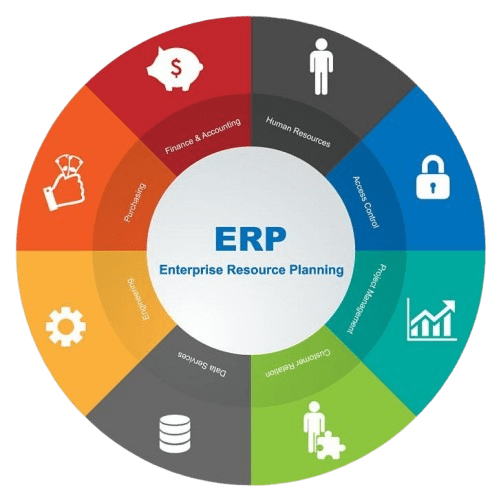
In today’s rapidly changing business environment, staying ahead of competitors requires more than just hard work — it demands smart systems that streamline every process from production to finance. That’s where ERP (Enterprise Resource Planning) software steps in. This powerful tool acts as the central nervous system of modern businesses, connecting various departments and ensuring data flows seamlessly throughout the organization. Whether it’s managing inventory, tracking sales, handling payroll, or analyzing customer data, ERP software transforms chaos into clarity.
Imagine running a company where every department works independently with different systems — accounting uses spreadsheets, HR relies on separate software, and sales tracks customer orders manually. Sounds messy, right? ERP eliminates this mess by unifying everything into one integrated platform. The result? Faster decisions, fewer errors, and improved efficiency.
Now, let’s dive deeper into the world of ERP software — understanding what it is, how it works, and why it’s become a game-changer for companies of all sizes.
Introduction to ERP Software What is ERP Software?
ERP stands for Enterprise Resource Planning, and it refers to a software system that helps businesses manage and integrate their core processes. These processes typically include finance, human resources, supply chain, manufacturing, procurement, inventory, and more. In simple terms, ERP software acts as a digital hub that connects all parts of a business, ensuring everyone has access to accurate and up-to-date information.
Think of ERP as the brain of your business. It gathers information from different departments, processes it, and presents it in an understandable way for managers and decision-makers. This means no more duplicate data entry or confusion about which numbers are correct — everything is synced in real time.
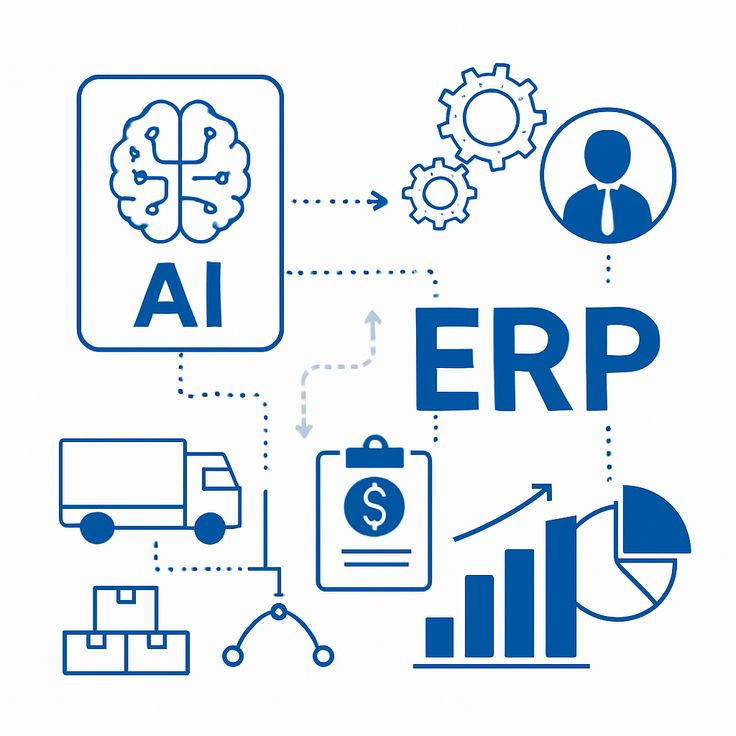
Modern ERP systems also come with cloud capabilities, mobile access, and AI-powered analytics, making them smarter and more efficient than ever before. Whether it’s a small startup or a global enterprise, ERP helps businesses operate like a well-oiled machine.
The Evolution of ERP Systems Over Time
ERP has come a long way since its origins in the 1960s. It all started with Material Requirements Planning (MRP) — a system used by manufacturers to manage inventory and production. By the 1990s, as technology advanced, these systems expanded beyond manufacturing to include other business functions such as finance and HR, giving birth to modern ERP.
Today’s ERP software is far more advanced. Cloud-based systems like SAP S/4HANA, Oracle NetSuite, and Microsoft Dynamics 365 provide real-time analytics, mobile accessibility, and integration with AI. The focus has shifted from simply managing resources to driving business growth and innovation.
As digital transformation continues, ERP systems are becoming the backbone of organizations, enabling them to adapt quickly to market changes, customer demands, and new technologies.
Why Businesses Need ERP in Today’s Market
In today’s competitive world, relying on outdated systems can be fatal for a business. ERP software isn’t just a luxury — it’s a necessity. It helps organizations:
Improve operational efficiency

Enhance collaboration

Reduce costs
Provide data-driven insights
Whether you’re a manufacturer tracking raw materials, a retailer managing inventory, or a healthcare provider handling patient data — ERP brings everything together. In short, it’s the secret weapon businesses use to stay ahead in an increasingly digital and data-driven economy.
Reporting and Analytics Capabilities
In the age of data, businesses that can interpret information effectively gain a huge competitive advantage. ERP systems come equipped with advanced analytics and reporting tools that turn raw data into actionable insights.
With ERP, you can generate detailed financial reports, track employee performance, monitor supply chain efficiency, and forecast demand — all in real time. Many modern systems even include AI-powered predictive analytics that help anticipate future trends or risks.
Data visualization tools, such as dashboards and charts, make it easy for decision-makers to see what’s happening across the company at a glance. This ensures timely responses and continuous improvement across operations. Feel Free To Contact Us
Core Features of ERP Software
Centralized Data Management
One of the main reasons businesses adopt ERP software is for centralized data management. Instead of having scattered information across multiple tools and systems, ERP consolidates everything into one unified database. This means that finance, sales, HR, and production all work from the same set of data.
For example, when a sales order is placed, ERP automatically updates the inventory, generates an invoice, and informs the production team — all without manual intervention. This interconnectedness not only saves time but also prevents errors caused by data duplication or miscommunication.
With centralized data, businesses gain a single source of truth.
Automation and Workflow Optimization
ERP systems are built to automate daily business processes that would otherwise take hours of manual work. Tasks like invoice generation, inventory updates, and payroll processing can all be handled automatically. This not only improves accuracy but also frees employees to focus on more strategic tasks.
Automation also ensures consistency. For instance, an automated approval workflow in ERP ensures that every purchase order goes through the correct hierarchy before being finalized. This minimizes human error, speeds up processes, and enhances compliance.
The result? A more agile organization that operates smoothly and efficiently, without unnecessary delays
Reporting and Analytics Capabilities
In the age of data, businesses that can interpret information effectively gain a huge competitive advantage. ERP systems come equipped with advanced analytics and reporting tools that turn raw data into actionable insights.
With ERP, you can generate detailed financial reports, track employee performance, monitor supply chain efficiency, and forecast demand — all in real time. Many modern systems even include AI-powered predictive analytics that help anticipate future trends or risks.
Data visualization tools, such as dashboards and charts, make it easy for decision-makers to see what’s happening across the company at a glance. This ensures timely responses and continuous improvement across operations.
Types of ERP Software
On-Premise ERP Systems
On-premise ERP systems are installed locally on a company’s own servers and managed by its IT team. This traditional model gives businesses complete control over their data and customization options. However, it comes with higher upfront costs and requires regular maintenance. Many large organizations still prefer on-premise ERP because it offers greater security, flexibility, and control. Yet, it may not be the best option for smaller businesses with limited IT infrastructure.
Cloud-Based ERP Solutions
Cloud-based ERP has become the most popular choice in recent years. Instead of installing the software on local servers, it’s hosted on the vendor’s cloud platform and accessed via the internet. Companies like Oracle NetSuite and Workday are leading examples of cloud ERP providers. Cloud ERP is subscription-based, making it more affordable for small and medium-sized businesses that don’t want to invest heavily upfront.
Hybrid ERP Systems
Hybrid ERP combines the best of both worlds — on-premise and cloud. Businesses can keep sensitive data on local servers while using cloud capabilities for other functions. This flexibility allows gradual digital transformation without disrupting existing workflows. Hybrid ERP is ideal for organizations transitioning from legacy systems to fully cloud-based environments.
Key Benefits of ERP Software
Improved Productivity and Efficiency
ERP systems automate manual processes, reduce data entry errors, and streamline operations. Employees spend less time on repetitive tasks and more on strategy and innovation. This leads to faster workflows and higher productivity across departments.
Enhanced Collaboration Across Departments
Since all departments share a common system, communication barriers disappear. Sales, finance, HR, and supply chain teams can collaborate seamlessly, improving decision-making and project execution.
Cost Reduction and ROI
Although ERP implementation may seem expensive initially, it saves money in the long run. Businesses experience reduced operational costs, better inventory management, and higher profitability thanks to improved efficiency and accuracy.